Medicare Savings Programs: How Low-Income Seniors Can Get Help Paying Medicare Costs

Medicare Savings Programs: Free or Reduced Cost Medicare for Qualifying Seniors
An estimated 2 million people who qualify for Medicare Savings Programs (MSPs) are not enrolled, leaving significant money unclaimed. These state-administered programs, funded jointly by states and the federal government, help pay Medicare premiums, deductibles, and copays for people with limited income and resources. Eligibility is broader than most people expect; you do not need to be on Medicaid to qualify. If your monthly income is close to the federal poverty level, you should check your eligibility every year, as thresholds adjust annually.
The Four Medicare Savings Programs
- Qualified Medicare Beneficiary (QMB)
Income limit: ~$1,235/month individual, $1,663/month couple (2024). Pays Part A and Part B premiums, deductibles, coinsurance, and copays. Providers are prohibited from billing QMB enrollees for cost-sharing, a right many seniors don't know they have.
- Specified Low-Income Medicare Beneficiary (SLMB)
Income limit: ~$1,478/month individual, $1,992/month couple (2024). Pays the Part B premium only (~$174.70/month). Enrollment also automatically qualifies you for Extra Help with Part D drug costs.
- Qualifying Individual (QI)
Income limit: ~$1,660/month individual, $2,239/month couple (2024). Pays the Part B premium. Unlike QMB and SLMB, QI has limited funding, applications are processed on a first-come, first-served basis each year starting January 1.
- Extra Help (Low Income Subsidy for Part D)
Pays most or all of Part D premiums, deductibles, and copays. Full Extra Help (income ≤135% FPL) reduces copays to $4.50 for generics and $11.20 for brand-name drugs in 2024. Partial Extra Help available up to 150% FPL.
How to Apply
Apply for Medicare Savings Programs through your state Medicaid office, not through Medicare directly. You can find your state office at benefits.gov or by calling 1-800-MEDICARE. The Social Security Administration handles Extra Help applications at ssa.gov or by calling 1-800-772-1213. Required documents typically include proof of income (Social Security award letter, pay stubs), bank statements, and proof of Medicare enrollment. The application process takes 30–45 days. If approved, retroactive benefits may apply to the start of the month you applied.
Resource limits for Medicare Savings Programs are more generous than Medicaid and exclude your home, one car, household items, and burial funds. In 2024, the countable resource limit is $9,090 for individuals and $13,630 for couples. States have the option to use higher resource limits, and some states have eliminated resource tests entirely. Even if you were previously denied, reapply, rules change annually and state-specific expansions may now cover you. A State Health Insurance Assistance Program (SHIP) counselor can provide free, unbiased help with your application.
How to Apply for Medicare Savings Programs
Applying for Medicare Savings Programs requires contacting your state Medicaid office, as these programs are administered at the state level despite being federally mandated. You can apply through your state's Medicaid website, by visiting a local Social Security office, or with assistance from your State Health Insurance Assistance Program (SHIP), which provides free, unbiased counseling to Medicare beneficiaries. The application process requires documentation of your income and assets, including bank statements, investment account statements, Social Security benefit letters, pension statements, and property records. Processing times vary by state but typically take 30 to 90 days. If you are denied, you have the right to appeal the decision and should request a hearing within the timeframe specified in your denial notice. Many applicants are initially denied due to incomplete documentation or errors in the application, and a significant number of denials are overturned on appeal when complete information is provided.
Additional Low-Income Medicare Benefits and Resources
Beyond Medicare Savings Programs, several additional resources help low-income Medicare beneficiaries access affordable healthcare. The Medicare Extra Help program (also called the Low-Income Subsidy or LIS) reduces Part D prescription drug costs including premiums, deductibles, and copayments; beneficiaries who qualify for full Extra Help pay no more than $4 for generic drugs and $10 for brand-name drugs per prescription. State Pharmaceutical Assistance Programs (SPAPs) in many states provide additional prescription drug cost assistance beyond what Medicare Part D and Extra Help cover. Charitable organizations like the Patient Advocate Foundation, NeedyMeds, and RxAssist connect Medicare beneficiaries with manufacturer patient assistance programs, copayment assistance foundations, and free clinic services. The Medicare Rights Center provides a free national hotline (800-333-4114) staffed by counselors who help beneficiaries understand their coverage options and navigate complex enrollment decisions. Many hospitals and healthcare systems offer financial assistance programs and charity care for low-income patients, including those with Medicare, which can significantly reduce out-of-pocket costs for services that Medicare does not fully cover.
The four levels of Medicare Savings Programs provide different levels of financial assistance based on income and asset thresholds. The Qualified Medicare Beneficiary (QMB) program, the most comprehensive level, covers Part A premiums, Part B premiums, deductibles, coinsurance, and copayments for beneficiaries with incomes up to 100 percent of the federal poverty level. The Specified Low-Income Medicare Beneficiary (SLMB) program covers Part B premiums for beneficiaries with incomes between 100 and 120 percent of the federal poverty level. The Qualifying Individual (QI) program also covers Part B premiums for beneficiaries with incomes between 120 and 135 percent of the federal poverty level, but funding is limited and awarded on a first-come, first-served basis. The Qualified Disabled and Working Individuals (QDWI) program covers Part A premiums for working disabled individuals who lost premium-free Part A when they returned to work. Asset limits for these programs vary by state and are typically around $9,000 to $15,000 for individuals and $14,000 to $23,000 for couples, though some states have eliminated asset tests entirely.
Enrollment in a Medicare Savings Program automatically qualifies you for the Extra Help program for prescription drug costs, providing significant additional savings without a separate application. Many beneficiaries who qualify for Medicare Savings Programs are not enrolled because they do not know these programs exist or believe they do not qualify. Outreach studies estimate that 2 to 4 million eligible Medicare beneficiaries are missing out on benefits worth $1,000 to $10,000 or more per year. State Health Insurance Assistance Program (SHIP) counselors can help you determine eligibility, gather required documentation, and complete the application at no cost. Contact your local Area Agency on Aging, Social Security office, or SHIP program to learn about all available assistance programs in your state.
Microsoft Dynamics 365 ERP Benefits
Discover Microsoft Dynamics 365 ERP benefits, features, pricing, and implementation guide. Learn how D365 Finance & Operations transforms business management.
Read More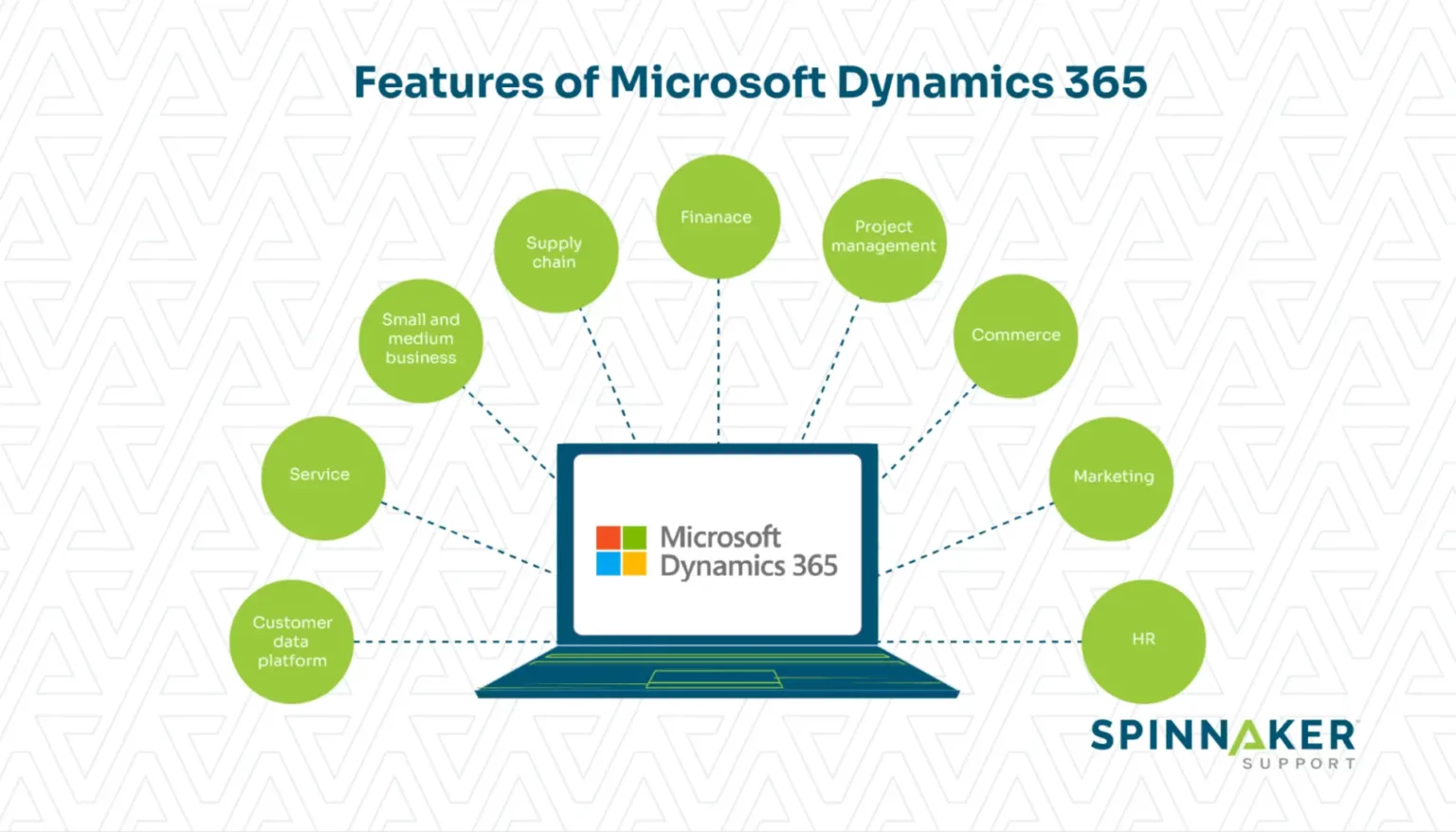
Best Crypto Exchanges 2024: Full Comparison
Coinbase, Kraken, Binance, Gemini, compared on fees, security, and features so you pick the right one.
Read More
Personal Finance Basics Guide
Everything a beginner needs to know about managing money, from building a budget to starting your first investment account.
Read More