Crypto Mining in 2024: Is It Still Profitable and How to Get Started

How Crypto Mining Works in Simple Terms
Crypto mining is the process of using computer hardware to validate transactions on a blockchain network and earn newly created coins as a reward. On proof of work networks like Bitcoin, miners compete to solve a complex mathematical puzzle. The first miner to find the correct solution gets to add the next block of transactions to the blockchain and receives the block reward, which is currently 3.125 BTC after the April 2024 halving. The puzzle itself has no practical purpose other than ensuring that creating new blocks requires real computational effort, which makes it expensive to attack the network. Think of it like a lottery where your odds of winning are proportional to how much computing power you contribute relative to all the other miners on the network.
The Bitcoin Halving and Its Impact on Mining
Every four years, the Bitcoin block reward gets cut in half in an event called the halving. When Bitcoin launched in 2009, the block reward was 50 BTC. It dropped to 25 in 2012, then 12.5 in 2016, then 6.25 in 2020, and most recently to 3.125 in April 2024. Each halving cuts the revenue miners earn per block by 50 percent, which puts enormous pressure on mining profitability unless the price of Bitcoin rises enough to compensate. After the 2024 halving, miners need Bitcoin to trade at roughly double the pre halving price just to maintain the same dollar revenue per block.
Historically, Bitcoin prices have risen significantly in the months and years following each halving, which has kept mining profitable for efficient operations. But the halving also accelerates the consolidation of the mining industry. After each halving, the least efficient miners with the highest electricity costs and oldest hardware are forced to shut down because their revenue no longer covers their operating expenses. The miners who survive are those with access to cheap electricity, modern hardware, and large scale operations that benefit from economies of scale. This trend has made it increasingly difficult for small individual miners to compete.
The Three Factors That Determine Mining Profitability
Mining profitability boils down to three variables: the price of the cryptocurrency you are mining, the cost of your electricity, and the efficiency of your mining hardware. Of these three, electricity cost is the factor you have the most control over, and it is often the deciding factor between a profitable operation and a money losing one. The average residential electricity rate in the United States is about 16 cents per kilowatt hour, but rates vary enormously by location. Some states like Louisiana and Washington have average rates below 10 cents, while states like California and Connecticut average above 25 cents. Industrial or commercial rates are often lower than residential rates, which is one reason large mining operations negotiate special power contracts or locate in areas with cheap hydroelectric or natural gas power.
Hardware efficiency is measured in joules per terahash for Bitcoin mining, and it has improved dramatically over the years. The latest generation of ASIC miners from companies like Bitmain and MicroBT consume about 20 to 25 joules per terahash, compared to over 100 joules per terahash for machines from just a few years ago. This means a modern miner produces four to five times more hashing power per unit of electricity than an older model. Running outdated hardware is one of the fastest ways to lose money in mining, because you are consuming the same amount of electricity but earning a fraction of the rewards compared to competitors with newer equipment.
Calculating Your Potential Mining Revenue
Before investing in mining equipment, you need to run the numbers carefully. Start with a mining profitability calculator, several free ones are available online from sites like WhatToMine, NiceHash, and ASIC Miner Value. Input your hardware's hashrate, power consumption, and your electricity cost to see an estimate of daily, monthly, and annual revenue. Then subtract your operating costs: electricity is the biggest ongoing expense, but you also need to account for cooling costs, internet, rent if you are using a separate space, and eventual hardware replacement.
A realistic example helps illustrate the math. A Bitmain Antminer S21 produces about 200 terahashes per second and consumes around 3,500 watts of power. At an electricity rate of 8 cents per kilowatt hour, the daily electricity cost is about $6.72. At current Bitcoin difficulty levels and a Bitcoin price of $60,000, the machine generates roughly $15 to $20 per day in revenue before electricity. That leaves a daily profit of about $8 to $13, or roughly $240 to $400 per month. The machine costs about $5,000, so the payback period at those rates is roughly 12 to 20 months. If your electricity rate is 15 cents instead of 8 cents, the daily electricity cost jumps to $12.60, cutting your profit to just $2 to $7 per day and pushing the payback period well beyond two years. At 20 cents per kilowatt hour, the operation likely loses money.
Mining Alternatives to Bitcoin
Bitcoin is not the only cryptocurrency you can mine, and for small scale miners, alternative coins can sometimes offer better returns. Litecoin and Dogecoin are mined simultaneously using the same Scrypt algorithm, and Scrypt ASIC miners are less expensive than Bitcoin ASIC miners. Kaspa is a newer proof of work coin that has attracted miners with its KHeavyHash algorithm and the availability of relatively affordable mining hardware. Some miners focus on whatever coin is most profitable on any given day and use services like NiceHash to automatically sell their hashing power to the highest bidder.
GPU mining, which uses graphics cards rather than specialized ASIC hardware, was once popular for mining Ethereum. But Ethereum switched from proof of work to proof of stake in September 2022, eliminating GPU mining for that network entirely. There are still some coins that can be mined with GPUs, but the profitability of GPU mining has declined significantly since Ethereum's transition. The flood of used mining GPUs that hit the secondary market after the Ethereum merge drove down hardware prices but also increased competition on the remaining GPU minable networks. Today, GPU mining is generally only profitable if you have access to very cheap or free electricity, such as solar panels with excess capacity.
Cloud Mining: Convenience With Hidden Costs
Cloud mining services let you rent mining hardware remotely without purchasing, housing, or maintaining any physical equipment. You pay a fee, either upfront or as a recurring subscription, and the company runs the mining operation on your behalf and sends you a share of the rewards. The appeal is obvious: no noise, no heat, no hardware maintenance, and no electricity bills. However, cloud mining has a troubled reputation in the crypto industry, and for good reason. Many cloud mining services over the years have turned out to be outright scams that collected payments but never mined any cryptocurrency.
Even legitimate cloud mining companies face a fundamental economic problem: if mining is profitable, why would the company sell that profitability to you instead of keeping it for themselves? The answer is usually that they make more money from selling mining contracts than from actually mining. The fees they charge typically eat into your returns to the point where you would have been better off just buying the cryptocurrency directly. Before signing up for any cloud mining service, compare the total cost of the contract over its duration against simply purchasing the same amount of cryptocurrency on an exchange. In the vast majority of cases, buying the coin outright produces better returns.
Environmental Concerns and the Future of Mining
Crypto mining, particularly Bitcoin mining, consumes a significant amount of electricity. The Bitcoin network alone uses roughly as much electricity as a small country, and this energy consumption has drawn criticism from environmental groups, regulators, and even some figures within the crypto community itself. The environmental impact depends heavily on the source of the electricity. Mining powered by renewable energy like hydroelectric, solar, or wind has a much smaller carbon footprint than mining powered by coal or natural gas. Some mining operations have set up near renewable energy sources specifically to address this concern, and a growing number of miners use methane gas from landfills or oil wells that would otherwise be flared or vented into the atmosphere.
The regulatory landscape around mining is also evolving. Some jurisdictions have embraced mining as an economic development tool, while others have imposed restrictions or outright bans. China banned crypto mining in 2021, causing a massive migration of mining operations to the United States, Kazakhstan, and other countries. New York State imposed a moratorium on new proof of work mining permits that use fossil fuel energy. As a prospective miner, it is important to understand the regulatory environment in your jurisdiction and to consider the possibility that regulations could change in the future. Building a mining operation in a location that is friendly to miners today but could restrict or tax the activity tomorrow is a risk that should factor into your decision.
Digital Transformation Strategy
Build a winning digital transformation roadmap that drives innovation and competitive advantage.
Read More
Microsoft Dynamics 365 ERP Benefits
Discover Microsoft Dynamics 365 ERP benefits, features, pricing, and implementation guide. Learn how D365 Finance & Operations transforms business management.
Read More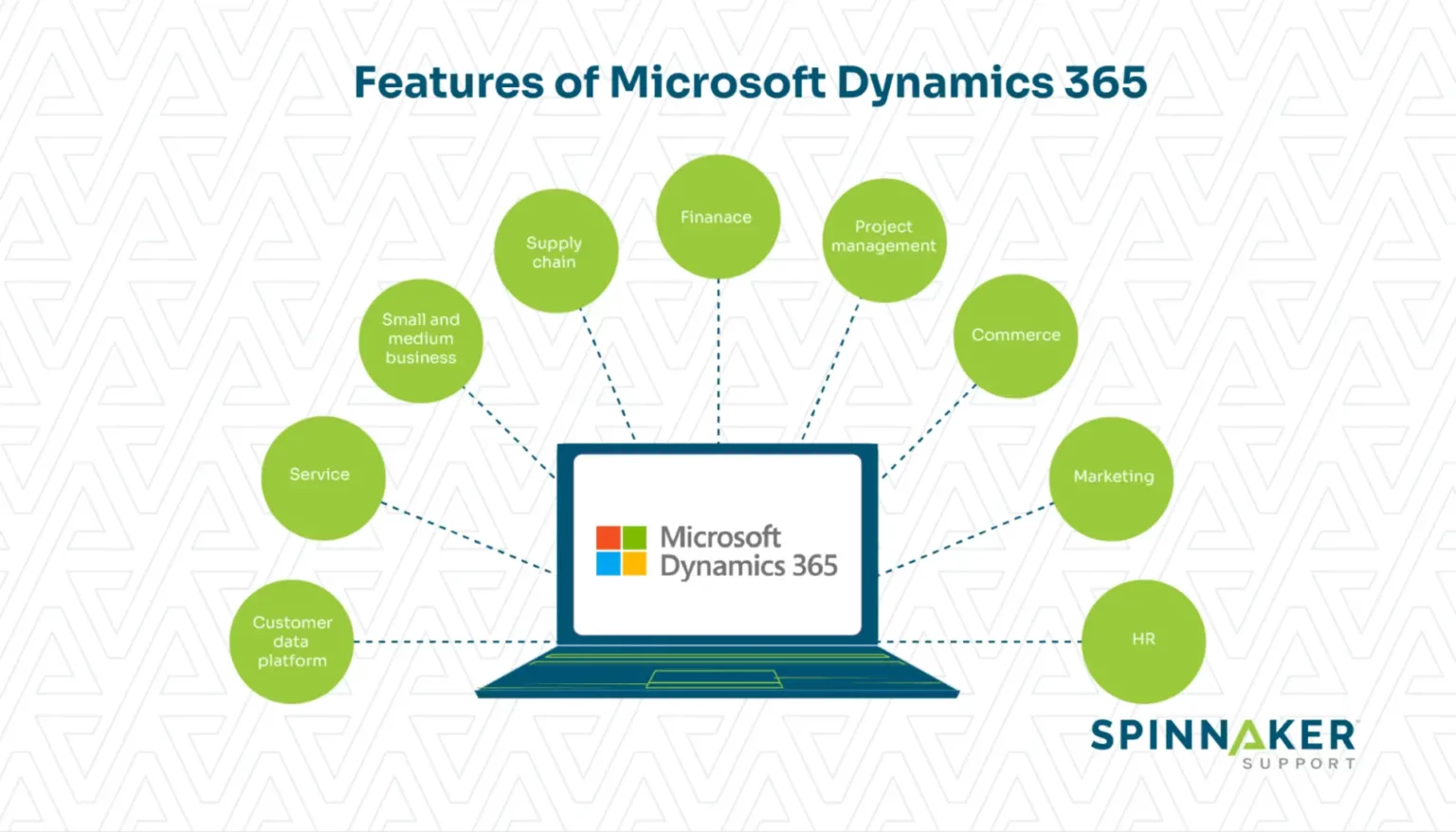
Crypto Taxes in the US: What the IRS Requires
Every crypto trade is taxable. Learn how the IRS treats crypto, what to report, and how to reduce your bill.
Read More